
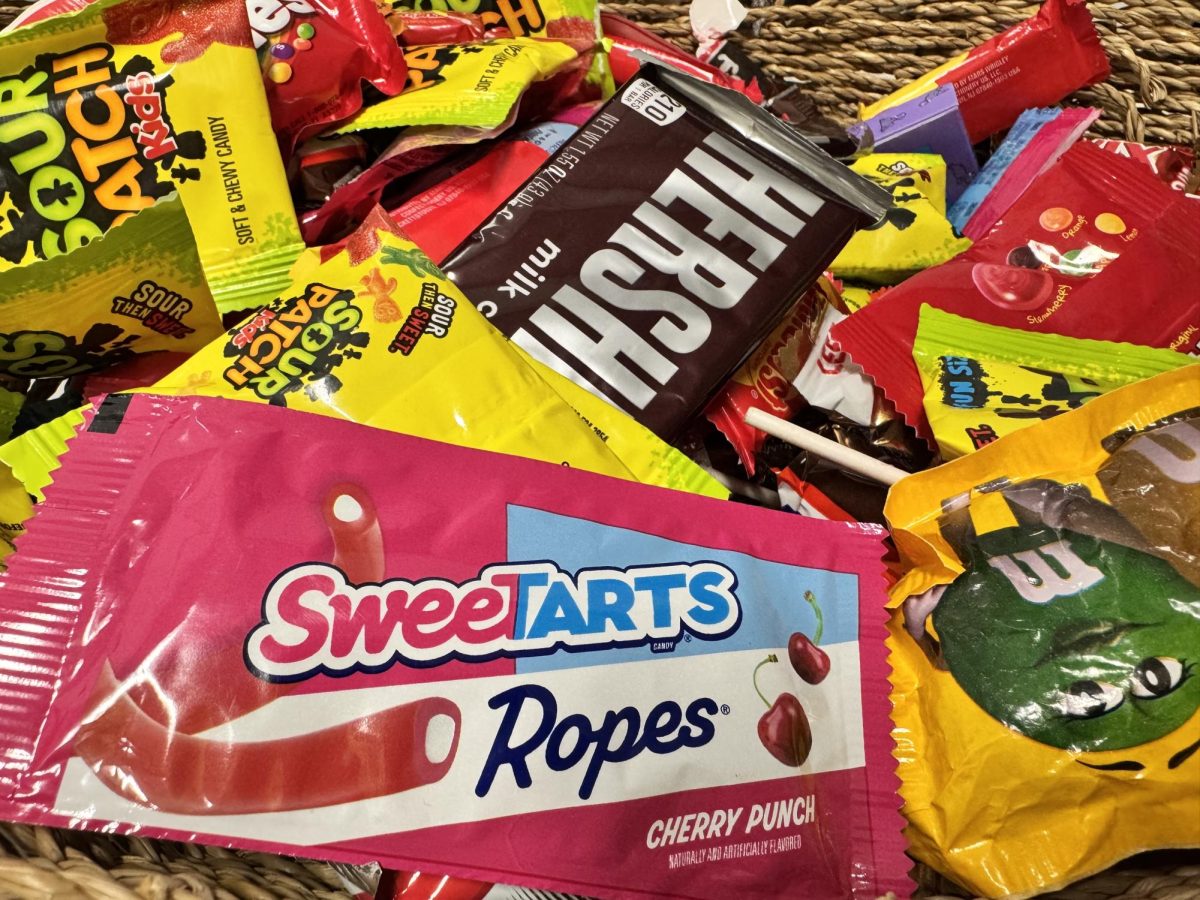
For many parents, Halloween means going on high alert. They’re checking candy wrappers, sorting treats, and worrying about the idea that someone might have slipped something dangerous into their child’s candy. It’s a fear that’s been drilled into us for decades. However, evidence shows that the idea of drugged Halloween candy is more of a myth than reality.
Studies and historical data show almost zero evidence that strangers actually target trick-or-treaters with poisoned or drugged-laced candy. Professor of sociology and criminal justice Joel Best, who has researched this topic for years, could not find a single verified case of a child being seriously hurt by a contaminated candy.
However, every year, the headlines pop up, warning parents about “rainbow fentanyl” in candy. Something that, according to the Drug Enforcement Administration (DEA), has nothing to do with trick or treating. Most of these warnings are exaggerated precautions that are fueled by scare tactics and amplified by social media.
So my question is, if drugged candy isn’t the real danger, what is? Honestly, the actual risks on Halloween are common ones, like kids getting hit by cars. According to The Washington Post, the likelihood of accidents goes up significantly during trick-or-treat hours.
So why does the myth stick around? Fear is part of it. Halloween is a time when parents can feel a loss of control over their kids, these stories of drugged candy allow them to blame strangers for that anxiety. The media doesn’t really help either, these sensational headlines are clickbait, and scary stories stick in our brains much better than boring facts.
Here’s my take-I’m not saying parents shouldn’t check candy, please of course, do a quick look for opened and damaged wrappers. But the truth is, the “drugged candy” danger is mostly an urban legend. The real focus should be on safe walking, good supervision, and maybe reminding your friends not to eat too many candy bars at once.